Leadership Under Pressure: What Navy SEALs, NFL Coaches, and CEOs Have in Common
Different industries.
Different environments.
Different responsibilities.
Yet elite leaders share remarkably similar characteristics.
Whether it's a military operator, a championship coach, or a CEO, leadership under pressure requires many of the same skills.
They Stay Calm
Pressure creates emotional noise.
Exceptional leaders don't eliminate stress.
They regulate it.
Their composure creates confidence for everyone around them.
They Communicate Clearly
Confusion increases anxiety.
Clarity creates trust.
Great leaders simplify complexity and communicate priorities effectively.
They Reinforce Standards
Culture isn't built through speeches.
It's built through repetition.
Elite leaders consistently reinforce behaviors, expectations, and values.
They Focus On What They Can Control
Pressure magnifies uncertainty.
Great leaders redirect attention toward controllable actions rather than uncontrollable circumstances.
They Serve Others
Leadership isn't about status.
It's about responsibility.
The best leaders understand that their role is to elevate the performance of others.
Because leadership under pressure isn't about being the loudest person in the room.
It's about being the most reliable.
Frequently Asked Questions
How do leaders stay calm under pressure?
Preparation, emotional regulation, and experience help leaders manage stress.
What makes someone an effective leader?
Communication, accountability, composure, and trust are essential leadership qualities.
Can leadership skills be developed?
Yes. Leadership behaviors improve through repetition and intentional practice.
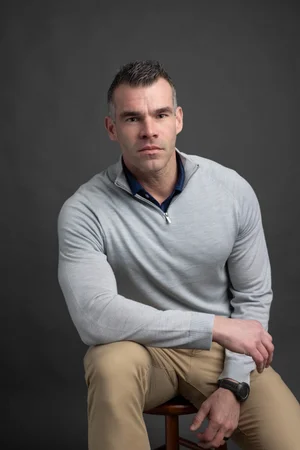
About Ryan Munsey
Ryan Munsey is a keynote speaker, bestselling author, and high-performance advisor known for The Move The Chains Method™. He has worked with Navy SEALs, Olympic athletes, and Fortune 300 executives to build cultures of accountability, resilience, and elite execution. He is the author of F*ck Your Feelings and What(ever) It Takes (BenBella Books).