Most Teams Don't Have a Talent Problem. They Have a Consistency Problem.
Many organizations assume poor performance is caused by a lack of talent.
But that's rarely true.
Most teams already have capable people.
What they lack is consistency.
Talent Doesn't Guarantee Results
Talented people can still struggle with:
communication
accountability
priorities
alignment
follow-through
And when pressure increases, those weaknesses become amplified.
Organizations don't rise to the level of their intentions.
They fall to the level of their patterns.
Consistency Creates Competitive Advantage
The highest-performing organizations are rarely the most talented.
They're the most reliable.
They create clear standards.
They communicate effectively.
They reinforce accountability.
And they establish patterns that support execution.
Over time, consistency compounds.
Culture Is Built Through Repetition
Culture isn't what organizations say.
Culture is what organizations repeatedly reinforce.
The behaviors leaders tolerate become the behaviors teams normalize.
Eventually, these patterns determine whether people thrive or underperform.
The Goal Is Reliability
Organizations don't need perfect people.
They need reliable people.
People who communicate.
People who take ownership.
People who execute under pressure.
Because sustainable success isn't built on isolated moments of brilliance.
It's built on consistent behaviors repeated over time.
Performance is patterned.
And patterns predict performance.
Frequently Asked Questions
Why do talented teams underperform?
Inconsistent communication, weak accountability, and unclear standards often undermine performance.
How do leaders improve consistency?
By reinforcing expectations, improving communication, and creating cultures of accountability.
Does culture affect performance?
Yes. Culture influences how people behave when pressure increases.
What creates high-performing teams?
Consistent behaviors, trust, accountability, and aligned standards.
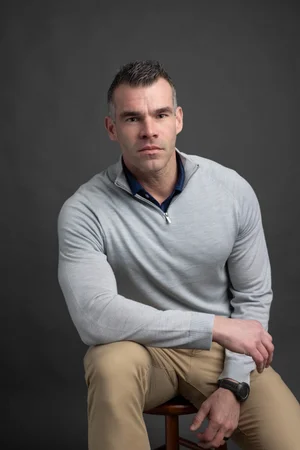
About Ryan Munsey
Ryan Munsey is a keynote speaker, bestselling author, and high-performance advisor known for The Move The Chains Method™. He has worked with Navy SEALs, Olympic athletes, and Fortune 300 executives to build cultures of accountability, resilience, and elite execution. He is the author of F*ck Your Feelings and What(ever) It Takes (BenBella Books).